Latest posts from Codename One.
Blog
Search the blogInsights, release updates, tutorials, and engineering notes from the Codename One team.

Map, String Performance & JavaScript Native
We’ve been spending a lot of time looking at performance for one of our enterprise customers. As part of the investigation he came up with an interesting and very important find… He found that hashMap.get("String") was much slower under the new VM than under the old VM. It’s these sort of “simple” finds that help narrow down bigger issues in performance that might impact a lot of things in Codename One, since HashMap is so ubiquitous the implications of improving it can be huge. ...

JavaScript Beta & InteractionDialog Popup
Update, July 24, 2026: JavaScript builds are now open source, available on every account tier, and buildable locally without a Codename One account. The original post below is preserved as published. See the current announcement. The JavaScript port is nearing beta stage which will start next week it’s already added support for most API’s including SQL support and many other features. Once the JavaScript port is in beta it will become an enterprise only feature so if you haven’t tried it yet you have one week to try your app. ...

Migrations & New Plugin
We are in the process of migrating the storage implementation from App Engine to Amazon’s S3 storage as part of our bigger migration away from App Engine. If you experience issues related to build results please let us know so we can iron out potential regressions. We are deploying this change in a way that makes it very easy to toggle this on/off and in case S3 builds prove to be an issue we will be able to revert them quickly. ...

Automating Releases
Our website deployment has become even more complex thanks to the demos section. The crux of it is in updating the demos with every small update to the JavaScript build process which is why we implemented a build option based on the work we did for our CI (Jenkins) integration. This work essentially allows to build a Codename One app synchronously which is useful when you want to do things such as continuous integration or release engineering. Notice that the synchronous build feature is an enterprise only feature since its overuse can have a very heavy toll on our servers. ...
Updated Demo Section & Plugin Update
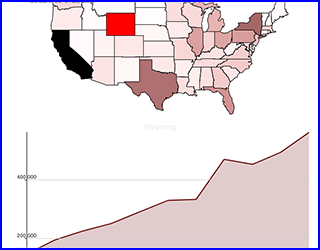
As the JavaScript port has matured we started adding new demos specifically for the clock demo, charts & GeoViz. You can now see all of them live on the web and also try the Android or desktop versions of these demos to get a better grasp of what Codename One can do and how far has the JavaScript build advanced since our 3.0 release. Plugin Update We wanted to release the plugin update this week but we ended up postponing to June 1st. As a reminder June 1st would also be past the deadline for our annual subscription rebate promotion as well as the price change for basic subscriptions. Make sure to take advantage of existing prices/promotions before that date. ...

Migrating Away From Google App Engine
Google has just announced that it is deprecating cloud storage and effectively a major part of App Engine that we are relying on. To make matters worse the window of time to its removal is quite short so we don’t have enough time to rewrite and adapt all the various API’s and tools that rely on this API. We have already started the process of migrating off App Engine completely both due to rising costs and Google’s horrible service/support. This will also allow us to finally support many long standing user requests such as more powerful push API’s etc. since we will no longer be held back by App Engine’s limitations. ...
Shrinking Sizes & Optimizing
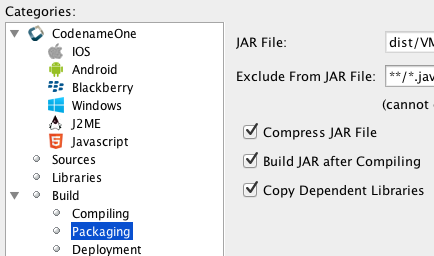
Our build servers are really fast, even if your laptop is relatively slow our iOS build servers are powerful machines equipped with fast SSD’s and they generate a full clean build of a typical app (with screenshots etc.) in a couple of minutes! So the real source of delay when building an app is size, it both slows the build but most of all it slows your upload process (upload is typically much slower than download). Reducing the size of your app will make it faster in runtime as well, e.g. if you have too many redundant resources you might be running into too many GC cycles slowing down execution. In this post we provide some tips to shrink your app size. ...
Flat Themes, DPI's & Static Initializers
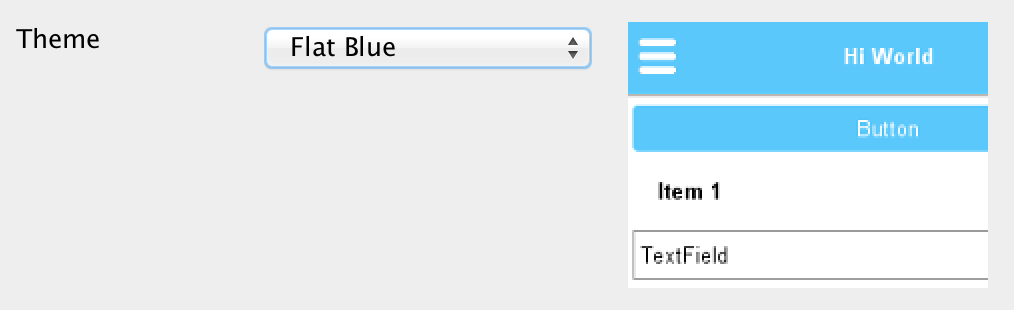
With the release of 3.0 we were overwhelmed with a lot of last minute features and improvements. It seems that we neglected to mention a lot of features that made it into the final 3.0 product. One of the nicest new features is a set of new flat themes with various colors in the designer and the project wizard. We found that a lot of developers prefer themes with more control over the look, themes that look more similar across platform yet have a more modern “flat” feel. ...

Aligning Prices
Our pricing has been inconsistent with the rest of the industry for quite some time specifically the price of the basic subscription which is a losing tier. Based on Industry norms the basic subscription should be far more expensive and doesn’t come close to covering the costs of running Codename One’s extensive cloud infrastructure. So on June 1st we will raise the price of the basic subscription to 19USD which is still very affordable. Notice that if you are a current subscriber or sign up before June 1st you can keep paying at the 9USD rate! However, if you let your subscription lapse we will not be able to recover it and you would need to switch to the 19USD level… ...

Storage Migration
Our iOS port has some pieces that are pretty old and haven’t been touched since we started, one of those things is the IO code which mostly works as we wrote it when we started Codename One. Unfortunately it seems that Storage in iOS is mapped to the iOS caches directory, this directory can be wiped by the iOS device if space on the device is running low. That’s a very rare occurrence which is why we didn’t pick that up until a bug report was filed on it this week… ...

JavaScript Port Cross Origin, Hints & Bugs
When building to the JavaScript target there are many build options and configurations. More importantly issues like cross origin need server side code that would be able to proxy such requests to make the client side code seamless… Steve wrote a rather detailed appendix to the developer guide covering all of those options from startup splash screen configuration to servlet proxy logic. The build also generates a ready to deploy WAR file which should make setting this up on any Java servlet container a nobrainer. ...
Demo Section & Russian Guide
We are working on a new demos section for the website that will highlight the demos for Codename One more thoroughly. Thanks to the new JavaScript port we can actually show the demos live in action but that creates a bit of a problem since people often jump to the conclusion that Codename One uses web technologies which it does not. Currently the demos section is pretty bare mostly because the JavaScript port still has a lot of bugs and missing features. It is moving in leaps and bounds though and we are pretty confident that we will have all the major demos up in the demo section within a short while. However, if you are familiar with the existing demos checking out their JavaScript counterpart (and the desktop builds as well) will show you what we can accomplish with these ports. ...